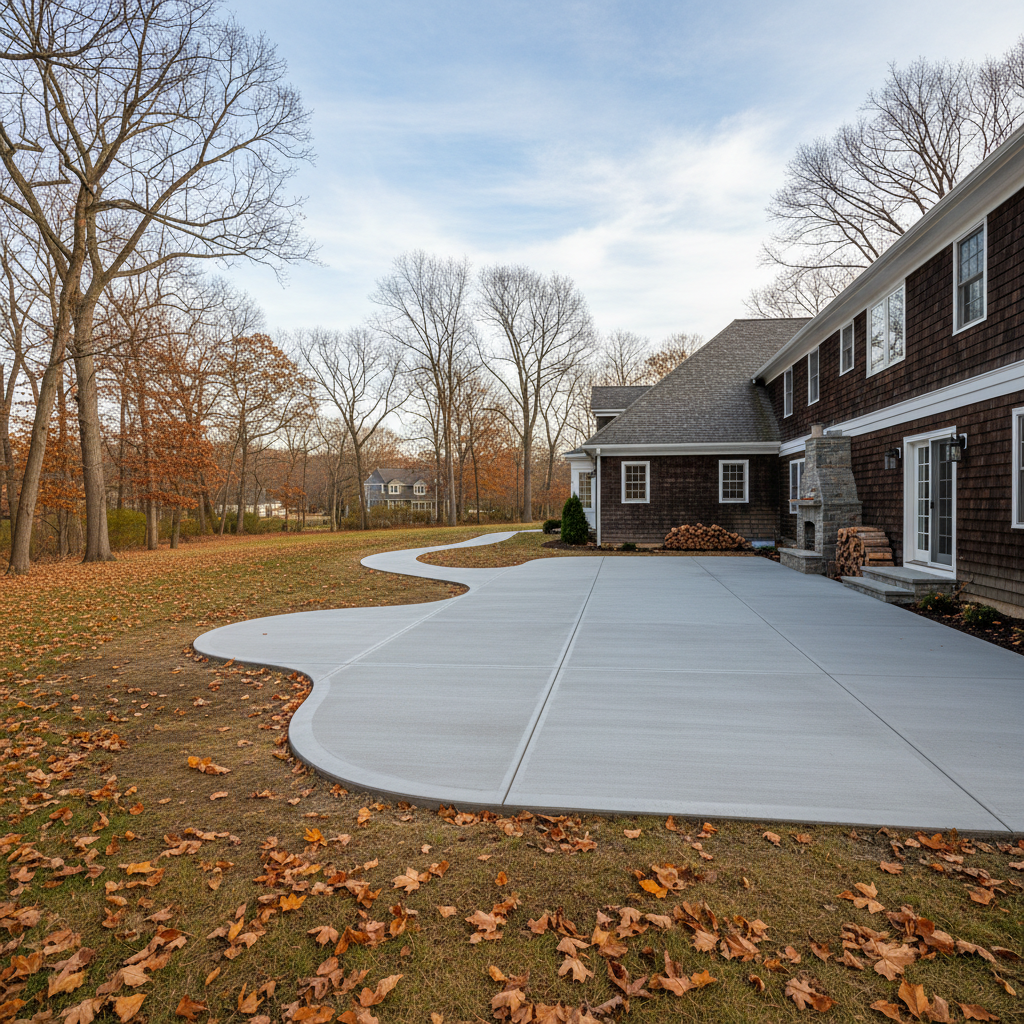
Thinking about a new driveway, walkway, or patio right here in Wellesley? That's awesome! But before you jump in, let's chat about something super important: timing. See, concrete isn't just concrete; it's a living, breathing material. It really reacts to its surroundings, especially the weather. And around here, our New England seasons can be pretty wild, which means you can't just pour concrete whenever you feel like it and expect it to last.
When to Schedule Your Concrete Project
The sweet spot for pouring concrete in Wellesley — and honestly, most of Massachusetts — is usually late spring, summer, and early fall. We're generally talking May through October. Why those months? Because concrete needs steady, moderate temperatures to cure the right way. Curing isn't just drying, you know; it's a chemical process where the cement hydrates and gets strong. If it cures too fast, too slow, or unevenly, you're just asking for trouble later on.
I always tell folks to aim for those months when daytime temperatures reliably stay above 40°F (about 4°C) and, ideally, don't drop below freezing overnight. The absolute best is when it's between 50°F and 80°F (10°C to 27°C) with low humidity. This lets the concrete cure at a nice, steady pace, helping it hit its maximum strength and durability. If you pour when it's too hot, it can dry out too quickly, which often leads to cracking. Too cold, and that hydration process slows way down, or even worse, freezing water expands and damages the fresh concrete. Not good.
Weather Conditions to Watch Out For
Beyond just temperature, there are a few other weather factors we really pay attention to before we even think about mixing a batch for your home. We're not just checking the forecast for the day of the pour, either; we're looking at the next few days after, too. That initial curing period is absolutely critical.
- Rain: A light drizzle usually isn't a deal-breaker if the concrete's already placed and finished, but heavy rain? That can wash out the cement paste, weaken the surface, and leave it all pockmarked. We'll always reschedule if significant rain is on the way.
- High Winds: Believe it or not, strong winds can dry out the surface of fresh concrete way too fast, even on a cool day. This can cause what we call 'plastic shrinkage cracking' before the concrete even has a chance to set properly. We might use windbreaks or put on a curing compound sooner if it's windy.
- Extreme Heat: When it's scorching hot and humid, like some of those dog days of summer we get, concrete can set up in a flash. This makes it really tough to finish correctly and can lead to problems. We might pour earlier in the morning or use special admixtures to slow down the set time.
- Freezing Temperatures: This is the big one. If the temperature drops below freezing within the first 24-48 hours after pouring, the water in the concrete can freeze and expand. That causes irreversible damage. We absolutely avoid pouring if there's any risk of a hard freeze.
Protecting Your Concrete Investment Year-Round
Once your new concrete is in, you'll definitely want to protect it. It’s not just about the pour; it’s about making it last for years. Here’s how you can help it endure, especially with our Wellesley winters:
- Seal It: This is probably the most important thing you can do. A good quality concrete sealer, applied after the concrete has fully cured (that usually takes about 28 days), acts like a shield against moisture, chemicals, and those nasty freeze-thaw cycles. I recommend resealing every 2-3 years, depending on how much traffic it gets and its exposure. Think of it like sunscreen for your concrete.
- Avoid De-icing Salts: This is a huge one, especially around here. Many de-icing salts, particularly those with ammonium nitrates or sulfates, are incredibly damaging to concrete. They can cause spalling (that's flaking or chipping) and surface deterioration. Stick to sand for traction, or use calcium chloride-based products sparingly — they're less aggressive. Even better? Shovel early and often!
- Proper Drainage: Make sure water drains away from your concrete surfaces. Puddles that just sit there and freeze repeatedly will speed up wear and tear. If you've got areas with poor drainage, especially in those older Wellesley Hills neighborhoods with their varied topography, that's something you really need to fix.
- Clean Regularly: A simple sweep and an occasional rinse can stop dirt and debris from building up and causing stains or holding moisture. For tough stains, use a concrete-safe cleaner.
- Watch for Cracks: Small hairline cracks are normal in concrete, but if you see larger, expanding cracks, or areas of spalling, don't just ignore them. Dealing with them early can prevent bigger, more expensive problems down the line. All Star Concrete Co. can help you check them out and repair these issues before they get out of hand.
Look, getting new concrete is a big investment in your home. By understanding how our local climate affects the process and taking a few simple steps to protect it, you can make sure your driveway, walkway, or patio looks fantastic and performs well for decades. Don't hesitate to give us a call if you have any questions about your specific project or need advice on concrete care.