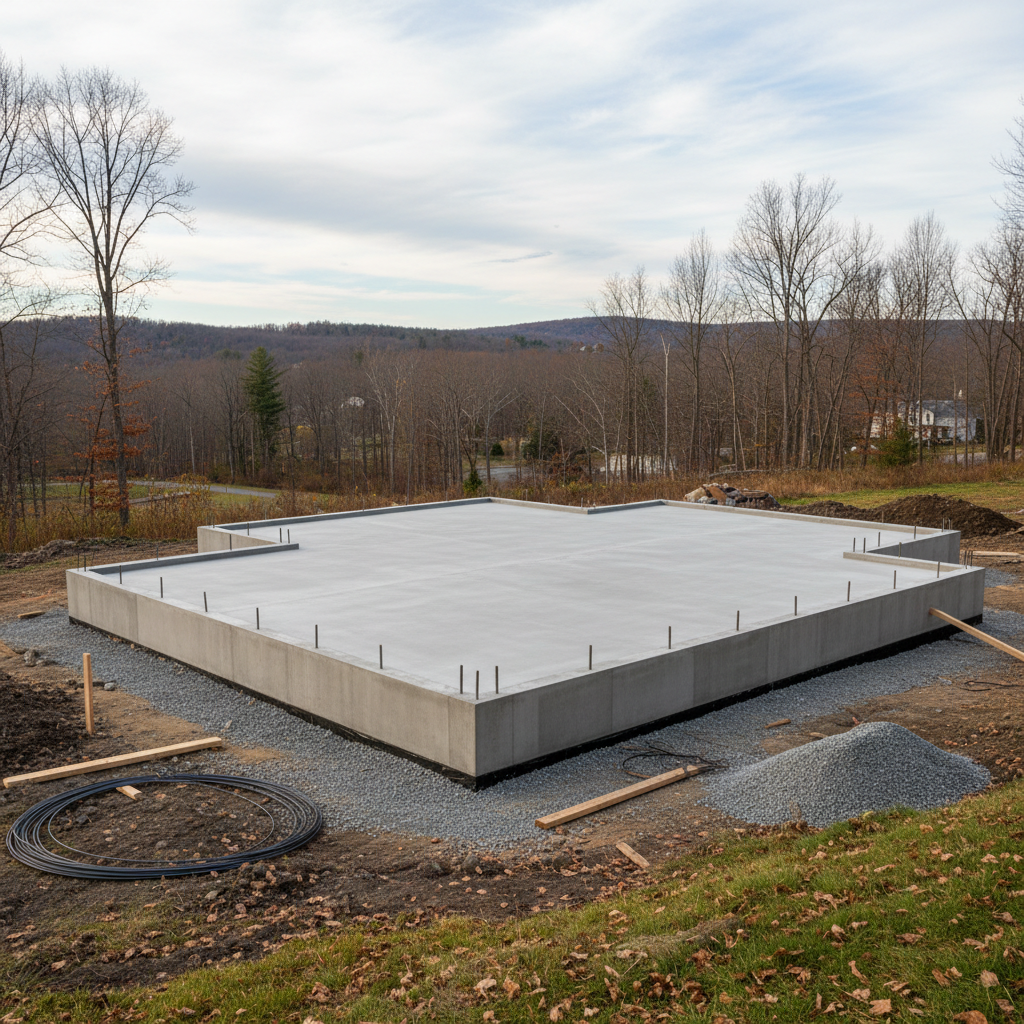
Understanding Wellesley's Climate and Your Foundation
Your home's foundation is the bedrock of everything, literally. And here in Wellesley, that bedrock faces some pretty tough conditions. We're not talking about a gentle climate; we're dealing with harsh winters, wet springs, hot summers, and plenty of freeze-thaw cycles. All of that puts a lot of stress on concrete, whether it's your foundation, driveway, or patio.
I've been pouring and repairing concrete around here for years, and I've seen firsthand what our local weather does. That constant expansion and contraction from temperature swings, especially with our clay-heavy soils, can lead to cracks and damage if you're not careful. So, let's talk about how to protect your investment and when it's best to get work done.
The Best Time for Concrete Work: It's All About Temperature
When you're thinking about new concrete or major repairs, timing is everything. You can't just pour concrete whenever you feel like it; the weather plays a huge role in how well it cures and how long it lasts.
- Spring (Late April to June): This is often ideal. The ground has thawed, and temperatures are consistently above freezing but not yet scorching hot. This allows the concrete to cure slowly and evenly, which leads to stronger, more durable results. You avoid the risk of freezing too soon, and you're not battling the intense heat that can dry out the surface too quickly.
- Summer (July to Early September): You can definitely pour concrete in the summer, but it requires more attention. High temperatures can cause the concrete to dry and cure too fast, which can lead to surface cracking if not properly managed. We often have to take extra steps like misting the surface or using curing compounds to slow down the drying process. Scheduling early morning pours helps a lot.
- Fall (Mid-September to November): Another good window, especially early fall. Temperatures are cooling down, but you still have enough time before the deep freezes set in. The biggest concern here is making sure the concrete has enough time to gain strength before nighttime temperatures consistently drop below freezing. A sudden cold snap can ruin a fresh pour.
- Winter (December to March): This is generally a no-go for exterior concrete work in Wellesley. Pouring concrete in freezing temperatures is a recipe for disaster. The water in the mix can freeze before the concrete sets, causing it to lose strength and flake apart. Unless it's an emergency repair in a heated, enclosed space, you'll want to wait until spring.
Weather Conditions That Affect Concrete
Beyond just temperature, a few other weather factors can impact your concrete project:
- Rain: A light drizzle isn't usually a problem, but heavy rain can dilute the concrete mix, weaken it, and wash away the surface. We'll always keep an eye on the forecast and reschedule if heavy rain is expected during or shortly after a pour.
- Wind: Strong winds can accelerate the drying process, especially on hot days. This can lead to plastic shrinkage cracking, where the surface dries faster than the interior. We use windbreaks or apply curing agents more aggressively on windy days.
- Humidity: Low humidity, combined with heat or wind, can also speed up drying. High humidity can slow down curing, but it's generally less of a problem than low humidity for fresh concrete.
Protecting Your Concrete Investment Year-Round
Once your concrete is in, you want it to last. Here's what you can do:
- Sealing: This is probably the most important thing you can do, especially for driveways and patios. A good quality sealer protects against moisture penetration, de-icing salts, oil stains, and those brutal freeze-thaw cycles we get. I recommend sealing every 2-3 years, depending on traffic and exposure. It's a small investment that pays off big time in longevity.
- Drainage: Make sure water drains away from your foundation, not towards it. Gutters should be clean and downspouts extended at least 5-10 feet away. If water pools near your foundation, it can seep into cracks, freeze, and expand, causing more damage. This is especially true for homes built on some of the older, lower-lying plots near the Charles River where water management is key.
- Avoid De-Icing Salts: Rock salt (sodium chloride) is terrible for concrete. It accelerates deterioration and spalling. Use sand for traction, or if you must use a de-icer, opt for products labeled as concrete-safe, like calcium chloride or magnesium chloride in moderation.
- Regular Inspection: Just walk around your house once a season. Look for new cracks, spalling (flaking), or uneven settling. Catching small issues early can prevent them from becoming expensive problems.
- Clean Up Spills: Oil, grease, and other chemicals can stain and degrade concrete over time. Clean them up promptly.
Taking care of your concrete isn't rocket science, but it does require a little attention, especially with our New England weather. If you've got questions about your foundation, driveway, or any concrete project around your Wellesley home, don't hesitate to give us a call at All Star Concrete Co. We're always happy to share our experience and help you keep things solid.