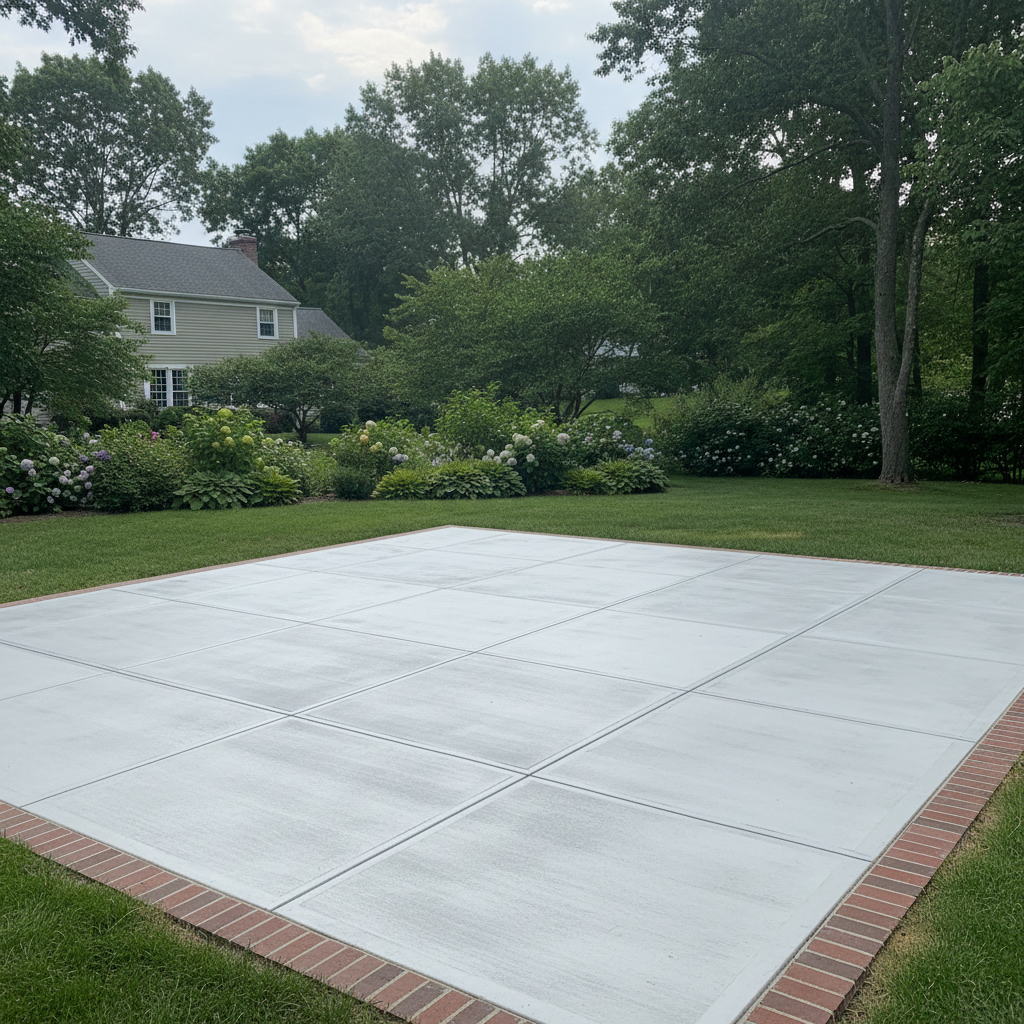
You've got a beautiful concrete patio, maybe we even poured it for you. It’s a fantastic spot for summer cookouts and enjoying that crisp fall air. But let's be honest, New England weather isn't exactly kind to outdoor surfaces. From freezing winters to humid summers, your patio really takes a beating. The good news is, with just a little attention, you can keep that concrete looking sharp and lasting for decades. It's not rocket science, but it does take some consistent effort, you know?
Extending Your Patio's Lifespan: It Starts with Protection
Think of your concrete patio like a good pair of boots. You wouldn't wear them out in the snow and mud without waterproofing, right? Same goes for concrete. The absolute best thing you can do to extend its life is to seal it. And I'm not talking about a one-and-done deal here. In Wellesley, with our freeze-thaw cycles, you should be resealing your patio every 2-3 years, sometimes even annually if it gets heavy use or is exposed to a lot of salt in the winter. A good quality penetrating sealer will repel water, oil, and stains, plus it'll make cleaning a whole lot easier. It also helps prevent those tiny hairline cracks from turning into bigger issues when water seeps in and freezes.
Another big one? Drainage. Make sure water isn't pooling on your patio. If it is, you've got a problem that needs addressing, and sooner rather than later. Water is concrete's worst enemy over time. We always make sure to grade properly when we pour, but sometimes things settle or landscaping changes. Just keep an eye out after a heavy rain.
Regular Maintenance: Simple Steps for a Lasting Look
Keeping your patio clean isn't just about how it looks; it's about preventing damage. Here's what I tell folks:
- Sweep Regularly: Get rid of leaves, dirt, and debris. Organic matter can hold moisture against the concrete, encouraging mold and mildew, and sometimes even staining.
- Wash It Down: A good rinse with a garden hose and a stiff brush (not wire!) once a month or so will do wonders. For tougher grime, a mild detergent and water mixture works. Just make sure to rinse thoroughly.
- Pressure Washing (with caution): You can pressure wash, but be careful. Too much pressure, especially with a narrow tip, can etch or damage the surface, particularly if it's stamped or decorative. Keep the nozzle moving and use a wider spray pattern. Start with a lower PSI and work your way up.
- Deal with Spills Immediately: Oil, grease, wine, berry juice – these can all stain concrete if left to sit. Blot them up quickly and clean the area. For stubborn stains, there are specific concrete cleaners available.
- Winter Care: This is crucial for us. Avoid using rock salt (sodium chloride) on your concrete. It's terrible for it and can cause spalling – where the surface flakes off. Use sand for traction, or a concrete-safe de-icer like calcium chloride or magnesium chloride sparingly. Shovel snow promptly to prevent prolonged moisture exposure.
Warning Signs: What to Look For
Your patio will tell you when it's unhappy. You just need to know how to listen. Don't ignore these signs:
- Hairline Cracks: Some small, superficial cracks are normal, especially in larger slabs. But if they start to widen, lengthen significantly, or show signs of movement (one side higher than the other), that's a red flag.
- Spalling or Flaking: This is when the top layer of concrete starts to peel or chip off. It's often a sign of freeze-thaw damage or improper finishing, and it means the concrete's integrity is compromised.
- Pitting: Small holes or depressions in the surface. This can be caused by aggregate popping out or de-icing salts.
- Unevenness or Sinking: If parts of your patio are noticeably sinking or becoming uneven, it could indicate issues with the sub-base, drainage problems, or even tree roots.
- Persistent Stains or Discoloration: If you've got dark, damp spots that never dry, or stubborn discoloration, it might point to moisture issues or a sealer that's worn out.
When to Call a Professional
Look, I'm a big believer in DIY, but some jobs are just better left to the pros. If you see any of those warning signs, especially widening cracks, significant spalling, or sinking sections, it's time to call someone like us at All Star Concrete Co. Trying to fix a major structural crack yourself can often make it worse or just be a temporary band-aid. We can assess the underlying cause, whether it's poor drainage, soil settlement (which can be an issue in some of the older Wellesley Hills neighborhoods with their varied soil compositions), or a failing sub-base, and recommend the right solution.
Also, if you're thinking about resealing and aren't sure what product to use or how to apply it properly, give us a shout. A bad sealing job is almost worse than no sealing at all. We've got the right equipment and experience to get it done right, protecting your investment for many more years of enjoyment.